

A Practical Guide to Lifting for Fat Loss
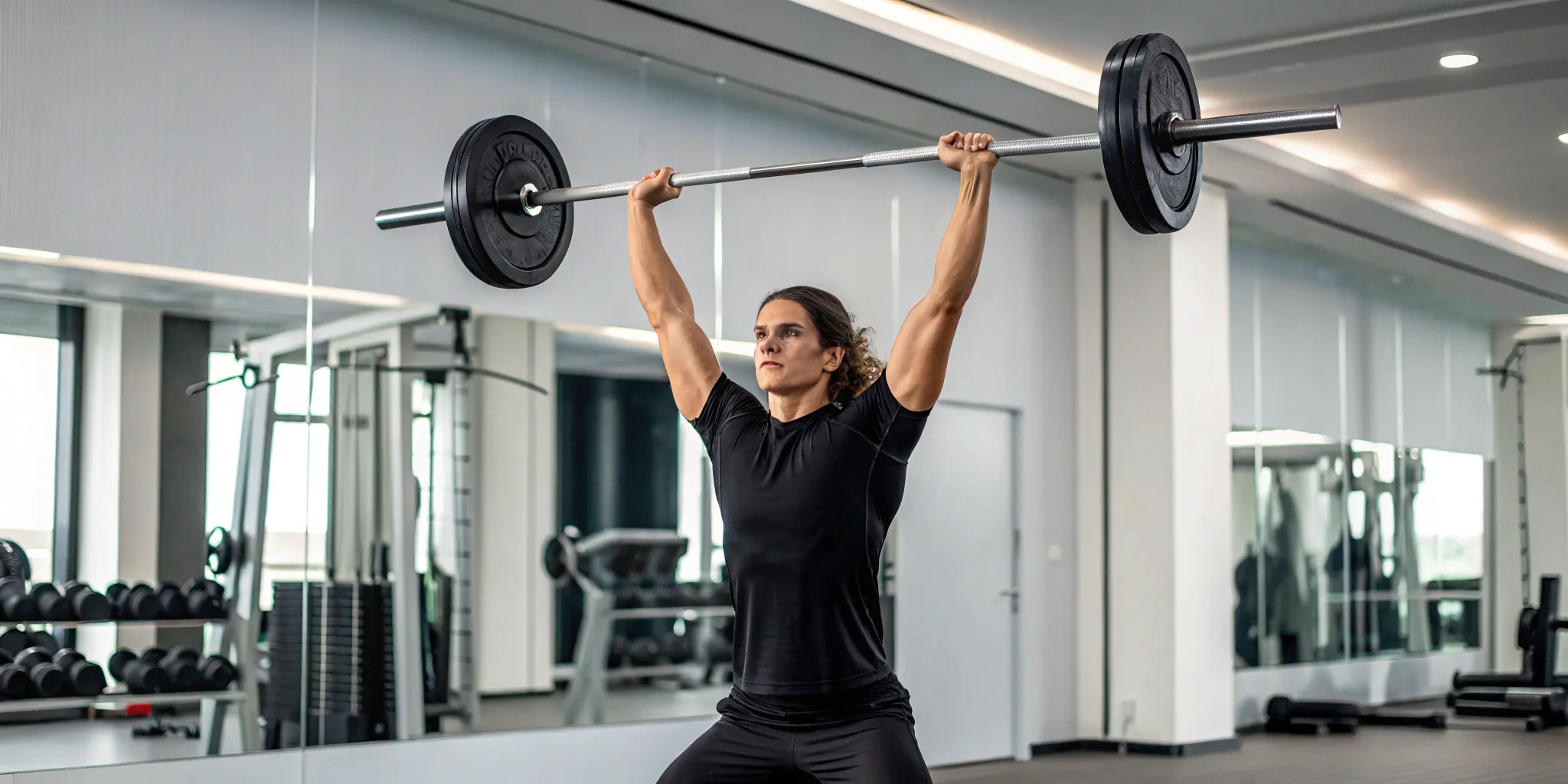
It’s one of the most common fears I hear: “I want to lose fat, but I don’t want to get bulky.” It’s time to set the record straight. The idea that picking up a heavy weight will accidentally turn you into a bodybuilder is a myth that holds so many people back from incredible results. In reality, strength training is the key to creating a lean, toned, and defined physique. The “bulky” look is a combination of significant muscle and body fat; lifting for fat loss helps you tackle both by building metabolically active muscle while simultaneously shedding fat, leading to that athletic, sculpted look.
Key Takeaways
- Make your metabolism work for you: Strength training builds lean muscle, which burns more calories than fat around the clock. This increases your resting metabolism, helping you burn more fat long after your workout is over.
- Focus on big movements and high intensity: Get the most effective results by prioritizing compound exercises like squats, deadlifts, and presses. Structuring them in a circuit keeps your heart rate up, giving you an efficient workout that builds muscle and burns fat at the same time.
- Measure progress by strength, not just the scale: Muscle is denser than fat, so your weight might not change even as you lose inches. Pay attention to how your clothes fit and how much stronger you feel, and support your progress with enough protein to fuel your muscles.
Why Lifting Burns More Fat Than Cardio Alone
For years, we’ve been told that the secret to fat loss is logging endless hours on the treadmill. While cardio certainly has its place in a well-rounded routine, it’s only one piece of the puzzle. If your goal is to create a leaner, stronger body and burn fat more efficiently, strength training is your most powerful tool. The real magic isn’t just about the calories you burn during your 50-minute class; it’s about how lifting fundamentally changes your body’s metabolism for the better, long after you've put the weights down.
Think of it this way: a cardio session is like earning a paycheck—you get paid for the hour you work, and then it's over. A strength session is like making a long-term investment that pays you dividends around the clock. By building lean muscle, you’re essentially upgrading your body’s engine to burn more fuel 24/7, even when you’re resting on the couch or sitting at your desk. This metabolic shift is what makes lifting a superior strategy for sustainable fat loss. It helps you build the toned, sculpted physique many people are after, rather than just becoming a smaller version of their current self. It’s not just about working hard; it’s about working smart to create lasting change that you can see and feel.
The Muscle-Metabolism Connection
Here’s the simple truth: muscle is more metabolically active than fat. This means it takes more energy (a.k.a. calories) for your body to maintain muscle tissue, even when you’re just sitting on the couch. When you focus on weight lifting for weight loss, you increase your lean muscle mass, which in turn increases your resting metabolic rate (RMR). A higher RMR means your body naturally burns more calories throughout the day, making it easier to achieve and maintain a calorie deficit for fat loss. It’s a powerful cycle: the stronger you get, the more efficient your body becomes at burning fat.
The "Afterburn Effect": Burn Calories Long After Your Workout
Have you ever felt your heart pounding long after your last set of squats? That’s the "afterburn effect," and it’s one of the biggest advantages of high-intensity strength training. This process, officially known as excess post-exercise oxygen consumption (EPOC), is your body working overtime to repair muscle tissue and return to its pre-workout state. This recovery work requires a ton of energy, meaning you continue to burn extra calories for hours after you’ve left the gym. In fact, recent research shows that after a tough lifting session, your muscles can even send signals to your fat cells to start burning fat.
How Building Muscle Changes Your Metabolism
Think of your metabolism as your body's engine. While cardio is great for revving that engine during a workout, strength training is like upgrading the engine itself. When you build lean muscle, you fundamentally change how your body uses energy, turning it into a more efficient fat-burning machine—not just in the gym, but 24/7. This is the secret to sustainable fat loss. It’s not about endless hours on the treadmill; it’s about making your body work smarter for you, even when you’re resting. Let's get into how that actually works.
Why More Muscle Means More Calories Burned 24/7
Here’s a simple fact: muscle tissue burns more calories than fat tissue. Even when you’re completely at rest—say, sitting at your desk or sleeping—your muscles require energy just to maintain themselves. A pound of muscle burns roughly 6 calories per day at rest, while a pound of fat only burns about 2. While that might not sound like a huge difference at first, it adds up significantly as you build more muscle. By increasing your muscle mass through consistent strength training, you increase your body's resting metabolic rate (RMR). This means you’ll burn more calories throughout the day without any extra effort, making it easier to achieve and maintain a leaner physique.
The Long-Term Advantage of Strength Training for Fat Loss
Strength training gives you a powerful, long-term advantage for fat loss that goes beyond just burning calories. When you lift weights, you’re not just building muscle; you’re actively telling your body to let go of fat. Recent research shows that after a strength workout, your muscles release tiny messengers into your bloodstream that send signals to your fat cells, telling them to break down. This creates a powerful one-two punch: you’re building metabolically active tissue while simultaneously encouraging your body to use stored fat for fuel. This is why lifting is so effective for changing your body composition—it helps you lose fat while preserving the muscle that keeps your metabolism humming.
Will Lifting Weights Make Me Bulky?
This is one of the most common questions I hear, and it’s time to set the record straight. The fear of accidentally turning into a bodybuilder keeps so many people from discovering one of the most effective ways to change their body composition for the better. The short answer is no, lifting weights won’t make you bulky. In fact, it does the opposite.
Strength training is the key to creating a lean, toned, and defined physique. It’s about building functional strength that makes you feel capable and confident, not about adding sheer size. The "bulky" look people often worry about is typically a combination of significant muscle mass and a higher percentage of body fat on top. Lifting weights helps you tackle both sides of that equation by building muscle and burning fat simultaneously. When you focus on getting stronger, you're telling your body to hold onto precious muscle while shedding fat, which is exactly what leads to that athletic, defined look. Let’s break down how it actually works and why you can leave the fear of "bulking up" behind.
The Truth About How Lifting Sculpts Your Body
When you lift weights, you’re not just burning calories; you’re reshaping your body. Strength training helps you lose fat while building lean muscle, which is what creates that firm, sculpted look many of us are after. Because muscle is denser than fat, you can actually lose inches and see your clothes fit better even if the number on the scale doesn’t change dramatically. This is a huge win!
Think of it this way: cardio helps you shrink your body overall, but weight training allows you to decide what shape your body takes. The strength circuits in our Armourbody classes are designed to build that strong, athletic foundation that helps you burn more calories around the clock.
Why You Won't Accidentally Get "Too Big"
Let’s be clear: building a "bulky" physique is incredibly difficult. It doesn’t happen by accident from attending a few fitness classes a week. Professional bodybuilders dedicate their lives to that goal, following extremely specific training programs and consuming a massive surplus of calories and protein. For most people, especially women, our natural hormonal profile makes it very challenging to pack on large amounts of muscle.
Gaining size is usually the result of consuming more calories than your body burns, leading to an increase in body fat. Lifting weights actually counteracts this. Research shows that strength training has immediate effects on fat loss, helping you get leaner as you get stronger. So, focus on challenging yourself and celebrating your strength gains—the lean, toned body will follow.
The Smartest Ways to Lift for Fat Loss
So, you’re ready to make lifting a core part of your fat loss plan. That’s fantastic. But simply going through the motions won’t get you the results you’re after. To really change your body composition, you need to be strategic. It’s not about spending hours in the gym; it’s about making the time you have count.
The most effective lifting programs for fat loss are built on a few key principles. They prioritize efficiency, intensity, and consistent progress. By focusing on the right kinds of exercises and structuring your workouts to keep your heart rate up, you can turn every session into a powerful metabolic event. Let’s break down the four essential strategies that will help you lift smarter for fat loss.
Focus on Compound Lifts, Not Just Isolation Moves
If you want the most bang for your buck, prioritize compound lifts. These are multi-joint exercises that work several muscle groups at once—think squats, deadlifts, push-ups, and overhead presses. Because they engage so much of your body, they burn significantly more calories per rep than isolation moves like bicep curls or leg extensions.
More importantly, compound exercises are incredibly effective for building lean muscle across your entire body. The more muscle you have, the higher your resting metabolism, meaning you burn more calories around the clock. While there’s a time and place for isolation work, make sure the foundation of your routine is built on these powerful, full-body movements.
Use Circuits and Supersets to Increase Intensity
One of the best ways to maximize fat loss is to minimize your rest time. Instead of performing a set and then resting for a few minutes, you can structure your workout as a circuit or use supersets. A circuit involves moving from one exercise to the next with little to no break, while a superset involves pairing two exercises back-to-back.
This approach keeps your heart rate elevated, essentially blending the benefits of strength training and cardio into one session. You’re building muscle while also challenging your cardiovascular system, which is a highly efficient way to burn fat. This is the core philosophy behind our group classes at Armourbody, where we combine strength circuits and cardio intervals to keep you moving and motivated.
Add High-Intensity Intervals to Your Lifting
Intensity is the secret ingredient for effective fat-loss workouts. You don’t need to spend hours lifting; you just need to work hard during the time you have. Applying high-intensity intervals to your strength training means pushing yourself during your work periods and taking short, strategic rests. This method keeps your heart rate up and your body guessing.
This style of training is not only time-efficient but also triggers a greater "afterburn effect," where your body continues to burn calories long after you’ve finished your workout. By keeping your workouts intense but focused, you can accomplish more in a 50-minute Armourbody class than many people do in twice the time.
Get Stronger Over Time with Progressive Overload
Your body is incredibly adaptable. If you do the same workout with the same weights week after week, it will eventually stop changing. To continue building muscle and burning fat, you need to consistently challenge yourself through a principle called progressive overload. This simply means gradually increasing the demand on your muscles over time.
You can do this by lifting a slightly heavier weight, performing more reps with the same weight, or reducing your rest time between sets. This constant challenge is what forces your muscles to grow stronger and your metabolism to stay fired up. It’s the fundamental key to making long-term progress and avoiding frustrating plateaus.
Your Go-To Compound Exercises for Burning Fat
If you want to get the most out of your time in the gym, compound exercises are your best friend. Unlike isolation moves that target a single muscle (like a bicep curl), compound exercises work multiple muscle groups and joints at the same time. Think of movements like squats, deadlifts, and presses. Because they recruit so much muscle fiber at once, your body has to work much harder, which means you burn significantly more calories with every single rep.
This approach is all about efficiency. Instead of spending hours doing a dozen different exercises, you can build a powerful, fat-burning workout around a few key compound lifts. These movements not only build lean muscle, which we know is essential for a faster metabolism, but they also improve your coordination, joint stability, and real-world strength. At Armourbody, our workouts are built around these foundational movements because they deliver the best results in the shortest amount of time. By focusing on these multi-joint exercises, you’re essentially training your body to work as a single, powerful unit, which is the key to creating a strong, lean, and athletic physique.
Build Your Lower Body with Squats and Deadlifts
When it comes to building a strong lower body and torching fat, squats and deadlifts are non-negotiable. These powerhouse exercises engage some of the largest muscles in your body—your glutes, hamstrings, and quadriceps—along with your entire core. Working these big muscle groups demands a ton of energy, which translates to a major calorie burn that continues long after your workout is over.
More than just leg exercises, squats and deadlifts are full-body movements that build foundational strength. Mastering them is a cornerstone of any effective plan for weight lifting for weight loss. Focus on mastering your form first, then gradually add weight to keep challenging your body and driving results.
Define Your Upper Body with Presses and Rows
A strong, sculpted upper body is essential for a balanced physique and overall functional strength. The two most important movement patterns for this are pressing and rowing. Presses, like an overhead press or bench press, target your chest, shoulders, and triceps. Rows, such as a bent-over row, are fantastic for building a strong back and biceps, which helps improve your posture.
Incorporating these upper-body compound lifts does more than just build muscle; it also plays a huge role in your fat loss journey. A well-designed gym routine for weight loss uses these movements to engage large muscle groups, which helps fire up your metabolism. Consistently training these lifts will help you build that toned, athletic look in your arms, shoulders, and back.
Maximize Your Time with Full-Body Exercises
For those days when you’re short on time but still want a killer workout, full-body exercises are the answer. These movements combine upper and lower body actions into one seamless motion, giving you a huge metabolic bang for your buck. Think of exercises like thrusters (a front squat into an overhead press), kettlebell swings, or burpees. They get your heart rate soaring and challenge nearly every muscle in your body.
Because they are so demanding, full-body exercises are an incredibly efficient way to maximize your time in the gym. You can get a complete strength and cardio workout in a fraction of the time, making them perfect for a high-intensity session. This is exactly why we love them at Armourbody—they’re tough, effective, and deliver serious results.
How Lifting Transforms Your Body (Beyond the Scale)
It’s easy to get fixated on the number on the scale when you’re trying to lose fat. But that number only tells a tiny part of your story. Strength training initiates a series of powerful changes in your body that go far beyond simple weight loss. It reshapes your physique, re-engineers your metabolism, and improves your energy in ways that cardio alone just can’t match.
When you commit to lifting, you’re not just losing fat; you’re building a stronger, more resilient, and more metabolically active body. You’ll notice your clothes fit differently, you’ll feel more powerful in your daily life, and you’ll see definition in places you haven’t before. This is where the real transformation happens—in the mirror, in your energy levels, and in your newfound strength, not just on the scale.
Improve Your Body Composition and Muscle Tone
Lifting weights is the single most effective way to change your body composition—the ratio of fat mass to lean muscle mass. As you build lean muscle, your body naturally becomes firmer and more defined. This is what people often mean when they talk about "toning up." You’re not just shrinking fat cells; you’re building strong, dense muscle that gives your body shape and structure.
Of course, your work in the gym needs support from your kitchen. To see these changes, you need to fuel your performance and help your muscles repair. This means eating enough protein, complex carbs, and healthy fats to support muscle growth while you’re in a calorie deficit for fat loss.
The Hormonal and Energy Benefits of Getting Stronger
Getting stronger does more than just build muscle; it creates a positive hormonal environment for fat loss. When you lift, your muscles become a metabolic powerhouse. Research has shown that after a strength workout, your muscles release tiny messengers that can flow to fat cells and kickstart the fat-burning process.
Beyond that, building muscle improves your body's insulin sensitivity, which helps you manage blood sugar and store less fat. Many people also find that consistent strength training gives them a major energy surge. Instead of feeling drained, you feel capable and energized, ready to take on whatever your day throws at you—both in and out of the gym.
Why the Scale Doesn't Tell the Full Story
If you’ve ever felt frustrated by a scale that won’t budge, this is for you. Muscle is significantly denser than fat, meaning it takes up less space for the same amount of weight. As you start lifting, you’ll be building lean muscle while simultaneously losing body fat. This can cause your weight to stay the same—or even increase slightly—even as you’re losing inches and your clothes are fitting better.
This is why tracking your progress with photos, body measurements, or simply how you feel is so much more valuable. Remember, muscle burns more calories than fat, even when you’re resting. So, focus on getting stronger and celebrating non-scale victories. The number on the scale is just data, not a measure of your hard work or success.
How to Build Your Weekly Lifting Routine
Consistency is where the real magic happens. But building a routine that sticks doesn't have to be complicated. Instead of trying to create the "perfect" plan from scratch, focus on three key areas: finding a schedule that works for you, choosing the right intensity for your workouts, and giving your body the recovery it needs to come back stronger. When you get these pieces right, you create a sustainable system for fat loss that fits into your actual life.
At Armourbody, our classes are designed to hit all the right notes for you. Each 50-minute session combines strength circuits and cardio intervals, taking the guesswork out of planning. All you have to do is show up, and we’ll guide you through a workout that builds muscle, burns fat, and keeps you motivated. Let’s break down how to structure your week for the best results.
Figure Out Your Ideal Training Schedule
Finding a rhythm that works for you is the first step. A great goal is to get at least 150 minutes of cardio per week and add in strength training at least twice a week. This might sound like a lot, but you can break it down. That could be five 30-minute sessions or four 40-minute sessions. The key is finding a schedule you can consistently follow.
This is where group fitness classes can be a game-changer. Since our workouts at Armourbody combine high-intensity cardio with strength training, you’re checking both boxes in every single class. By coming to 3-4 classes a week, you’ll easily meet these recommendations without having to plan separate cardio and lifting days. Check out our class schedule to find times that fit your week.
Choose the Right Reps and Sets for Fat Loss
To get results, you need to challenge your muscles by lifting weights that are heavy for you. This doesn't mean you need to lift like a bodybuilder. It just means the last couple of reps in a set should feel tough to complete while maintaining good form. This is what builds lean muscle and fires up your metabolism.
During your workout, focus on intensity. Aim to work hard for 20-45 minutes and minimize rest time between exercises to keep your heart rate up. This circuit-style training is incredibly effective for fat loss. In our classes, our coaches help you choose the right weights and push you to keep the intensity high, ensuring you get an effective session every time. This approach is central to the science behind weight lifting for weight loss.
Balance Your Workouts with Smart Recovery
What you do outside the gym is just as important as what you do inside it. If you’re new to lifting, you’ll likely feel some muscle soreness a day or two after a workout. This is totally normal—it’s called Delayed Onset Muscle Soreness (DOMS), and it’s a sign your muscles are adapting and getting stronger.
To manage soreness and help your body repair, focus on the basics. Make time for stretching after your workout, drink plenty of water throughout the day, and prioritize getting enough sleep. Good nutrition is also a huge piece of the puzzle. Think of recovery as part of your training plan. When you give your body the rest and fuel it needs, you’ll have more energy for your next workout and see better results over time.
How to Eat to Support Your Lifting Goals
Working hard in the gym is a huge part of the equation, but what you do in the kitchen is what truly fuels your results. To lose fat while building or maintaining muscle, your nutrition needs to support your training. It’s not about restrictive dieting or complicated meal plans. Instead, focus on a few key principles to make sure your body has what it needs to get stronger, leaner, and more energized for every Armourbody class.
Prioritize Protein to Preserve Muscle
Think of protein as your muscle’s best friend. When you’re lifting weights and eating in a calorie deficit to lose fat, getting enough protein is crucial for repairing the muscle you’re working so hard to build. It also helps you hold onto that muscle while your body burns fat for energy. Aim to include lean protein sources like chicken, fish, eggs, Greek yogurt, or tofu with every meal. This approach not only supports muscle repair but also helps keep you feeling full and satisfied, making it easier to stick to your goals without feeling deprived.
Create a Sustainable Calorie Deficit
Fat loss happens when you consistently consume fewer calories than your body burns. This is called a calorie deficit. The key word here, however, is sustainable. Extreme calorie cutting can backfire, leading to muscle loss and burnout. Instead, aim for a modest deficit that allows for a gradual, steady fat loss of about 0.5% to 1% of your body weight per week. This pace is ideal for preserving muscle mass. You can create a small deficit by making simple swaps, like drinking more water instead of sugary drinks and being mindful of portion sizes, rather than eliminating entire food groups.
Fuel Your Body Before and After Workouts
What you eat around your workouts can make a big difference in your performance and recovery. Before you head to a class, have a snack that combines complex carbohydrates and a little protein—like a banana with peanut butter or a small bowl of oatmeal. This will give you the energy to push through those tough strength circuits. Afterward, focus on replenishing your body with a protein-rich meal or snack to kickstart muscle repair. And remember, try to limit highly processed foods and sugary drinks, as they don't provide the quality fuel your body needs to get stronger.
Common Lifting Mistakes That Halt Fat Loss
You’re putting in the work, showing up for your lifts, and staying consistent. But what if the results you want aren't showing up as quickly as you'd hoped? It’s a frustrating place to be, and it can make you question if all your effort is even worth it. Before you throw in the towel, know that this is a common hurdle. Often, it’s not about working harder, but about working smarter and avoiding a few key pitfalls that can quietly sabotage your progress.
When it comes to lifting for fat loss, your form can be perfect and your schedule can be on point, but certain habits outside of the exercises themselves can halt your momentum. These mistakes are rarely about a lack of effort. Instead, they’re usually rooted in outdated ideas about weight loss or a simple misunderstanding of how the body responds to strength training. The good news is that they are incredibly easy to correct once you know what to look for. By making a few simple shifts in your mindset and approach, you can get back on the fast track to seeing the changes you’re working so hard for. Let's walk through three of the most frequent mistakes and how to get back on track.
Focusing on the Scale Instead of How You Look and Feel
It’s so tempting to hop on the scale every morning, hoping to see a lower number. But when you’re strength training, that number can be misleading. As you build lean muscle and lose fat, your body composition changes dramatically, but your total weight might not budge much—or could even go up. That’s because muscle is denser than fat. Instead of fixating on a number, pay attention to the real signs of progress: how your clothes fit, your increasing energy levels, and the new weights you’re lifting in the gym. These non-scale victories are a much better indicator of your hard work paying off.
Not Pushing Yourself to Get Stronger
It feels good to master a movement with a certain weight, but staying there won't get you the results you're after. To change your body, you have to give it a reason to adapt. This means consistently challenging your muscles by lifting weights that feel genuinely difficult by the last few reps. This is the core of progressive overload. Pushing yourself to get stronger is what builds the muscle that fires up your metabolism. At Armourbody, our coaches are there to help you find that sweet spot where you’re working hard and safely, ensuring you’re always moving forward.
Thinking You Can Out-Train a Bad Diet
An intense 50-minute workout can feel like it earns you a free pass in the kitchen, but unfortunately, you can’t out-train a diet that isn’t aligned with your goals. Fat loss happens when you consistently use more calories than you consume. While our workouts torch calories, your nutrition is what creates the underlying calorie deficit needed to see real change. Think of your training and your diet as a team. One can’t do all the work for the other. Making lasting lifestyle changes to what you eat is the most effective way to lose fat and keep it off for good.
Related Articles
- Cardio After Weights for Fat Loss: The Ultimate Guide
- The Ultimate Gym Exercises to Burn Fat Fast
- Strength vs. Cardio for Weight Loss: The Final Verdict — ARMOURBODY
- Strength vs. Cardio for Weight Loss: The Final Verdict — ARMOURBODY
- Best Stomach Fat Burning Workouts for Fast Results
Frequently Asked Questions
How many times a week should I be lifting weights to see fat loss results? For most people, aiming for 3 to 4 strength-focused workouts per week is a fantastic goal. This gives your muscles enough challenge to adapt and grow, while also allowing for the recovery time needed to repair. The key is consistency. A program like Armourbody is designed to be efficient, combining strength and cardio so you can hit this goal without spending your entire week in the gym.
If I’m lifting weights, do I still need to do separate cardio sessions? Not necessarily. When you lift with intensity—using circuits, minimizing rest, and focusing on compound movements—your heart rate stays elevated, giving you a great cardiovascular workout at the same time. This is one of the biggest advantages of high-intensity strength training. You’re building muscle and strengthening your heart simultaneously, making it a very efficient way to train for fat loss.
Why isn't the scale moving even though I'm lifting consistently? This is an incredibly common—and frustrating—experience, but it's often a sign of great progress. Muscle is much denser than fat, meaning it takes up less space. As you build lean muscle and lose fat, your body composition is changing for the better. You might be losing inches and seeing your clothes fit differently even if your total body weight stays the same. Focus on non-scale victories like your energy levels, strength gains, and how you feel.
I'm new to lifting. Are high-intensity classes a good place to start? Absolutely. A group class with expert coaching is one of the best ways to begin. It takes the guesswork out of planning your workouts, and a good coach will ensure you’re using proper form to stay safe and get the most out of every movement. At Armourbody, our coaches help you choose the right weights and modify exercises to match your fitness level, so you can feel confident and challenged from day one.
What's more important for fat loss: my workouts or my diet? Think of them as a team that can’t win without both players on the field. Your workouts are what build the lean muscle that turns your body into a more efficient, fat-burning machine 24/7. Your nutrition is what creates the calorie deficit necessary for your body to actually tap into and burn stored fat. You can’t out-train a diet that isn’t aligned with your goals, so focusing on both is the key to lasting results.