

What Is a Calisthenics Workout? A Beginner's Guide
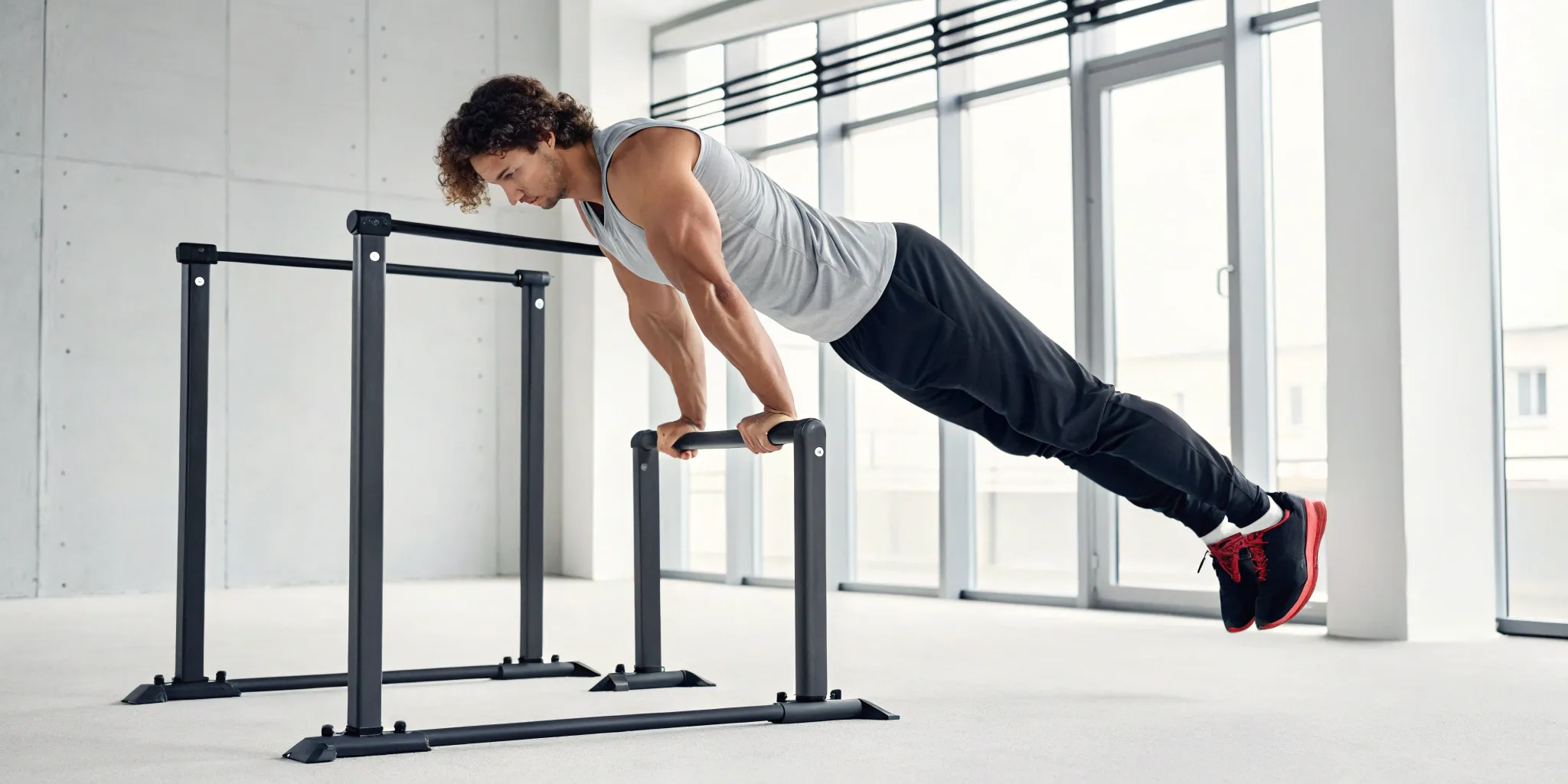
One of the biggest hurdles to staying fit is simply finding the time and space to do it. Life gets busy, and getting to the gym isn’t always an option. This is where the true freedom of calisthenics comes in. Because your body is your gym, you can get a killer workout anywhere—your living room, a park, or a hotel room. This accessibility removes the excuses and makes consistency achievable. Understanding what is calisthenics workout means realizing you have the power to build serious strength on your own terms. It’s about mastering fundamental exercises that deliver maximum results with minimal gear, giving you the flexibility to stay active and strong no matter where you are.
Key Takeaways
- Your Body Is the Only Gym You Need: Calisthenics builds functional strength using foundational movements like push-ups, squats, and planks, proving you don't need equipment to get a challenging, effective workout.
- Build Muscle and Burn Fat Simultaneously: By engaging multiple muscle groups at once, bodyweight exercises build lean muscle while burning significant calories, making it an incredibly efficient way to change your body composition.
- Consistency and Community Drive Results: A structured routine of 2-4 workouts per week is crucial for progress, and training within a group provides the shared energy and accountability to help you stay motivated and push past your limits.
What is Calisthenics?
So, what exactly is calisthenics? Simply put, it’s a form of strength training where your own body is the equipment. Instead of picking up a dumbbell or hopping on a machine, you use your body weight as resistance to build muscle, get stronger, and improve your overall fitness. It’s all about mastering movement and gaining incredible control over your own body. This approach makes fitness incredibly accessible, but don’t mistake accessible for easy. Calisthenics can be one of the most challenging and rewarding ways to train, forming the foundation for serious strength and athleticism.
At its core, calisthenics is about functional fitness. The movements mimic natural, everyday actions like pushing, pulling, and squatting. This means the strength you build is practical and translates outside the gym, helping you move better and feel more powerful in your daily life. Because many exercises engage multiple joints and muscle groups at once, you get a highly efficient, full-body workout. This is why bodyweight movements are a staple in high-intensity training programs—they deliver maximum results by forcing your body to work as a cohesive unit, building lean muscle and burning fat simultaneously.
The Core Idea of Bodyweight Training
The beauty of bodyweight training is its simplicity. It’s all about using foundational human movements to build functional strength. Think about it: pushing, pulling, squatting, and lunging are things our bodies are designed to do. Calisthenics harnesses these movements, turning them into a powerful workout that engages multiple muscle groups at once. This isn’t just about isolating one muscle; it’s about teaching your body to work as a single, powerful unit. This approach helps you build a lean, athletic physique while improving your balance, flexibility, and coordination in ways that translate directly to everyday life. It’s a workout that builds you up from the inside out.
Mastering the Fundamentals
Getting started with calisthenics means focusing on the basics. These are the powerhouse moves that deliver the biggest results: push-ups, squats, planks, lunges, and pull-ups. Each one is a building block for more advanced skills. By mastering these fundamentals, you’re not just getting stronger—you’re improving your body’s overall coordination and endurance. These exercises are the backbone of so many effective workouts, including the high-intensity circuits we love at Armourbody. As you get more comfortable, you can increase the difficulty to keep challenging your muscles and driving progress, whether your goal is building muscle or increasing strength.
What Are the Benefits of Calisthenics?
Calisthenics is more than just a way to get a good workout; it’s a practice that builds you up from the inside out. By using your own body weight as resistance, you develop a unique kind of strength that’s both functional and impressive. The benefits go far beyond muscle definition. You’ll find that mastering bodyweight movements improves your mental focus, gives you incredible physical freedom, and creates a powerful connection between your mind and body. It’s about discovering what you’re truly capable of, one push-up or pull-up at a time.
Build a Stronger Body
At its core, calisthenics is a form of strength training. Instead of relying on external weights, you use your own body to create resistance, which forces your muscles to work together in a coordinated way. Think about a push-up: it’s not just an arm exercise. It engages your chest, shoulders, core, and even your glutes. This type of compound movement builds functional strength that translates directly to everyday life, making everything from carrying groceries to playing with your kids feel easier. Plus, calisthenics is fantastic for improving your posture, flexibility, and overall balance and coordination.
Sharpen Your Mind
The mental gains from calisthenics are just as significant as the physical ones. Each exercise is a skill to be learned and perfected. This focus on mastery shifts your attention from what your body looks like to what it can do. Instead of just counting reps, you’re concentrating on form, control, and progression. This skill-based approach is incredibly empowering and builds a deep sense of confidence that carries over into other areas of your life. It’s a powerful way to learn a new skill while getting stronger, proving to yourself that you can achieve challenging goals with focus and consistency.
Workout Anywhere, Anytime
One of the best things about calisthenics is the freedom it offers. You don’t need a room full of expensive equipment to get a killer workout. Your body is your gym, which means you can train anywhere—at home, in a park, or even in a hotel room while traveling. This accessibility makes it easier to stay consistent with your fitness routine, no matter how busy your schedule gets. Calisthenics is a truly versatile bodyweight training method that adapts to your life, giving you the power to build strength and stay active on your own terms.
Essential Calisthenics Exercises for Beginners
The best part about calisthenics is that you don’t need a long list of complicated moves to build a strong, capable body. Getting started is all about mastering a few foundational exercises that work multiple muscle groups at once. These are the essentials that will lay the groundwork for your fitness, helping you build the strength you need for more advanced movements later on. Think of these as your core toolkit—the exercises you’ll return to time and again.
For Your Upper Body
Building upper body strength is key for everything from carrying groceries to powering through a tough workout. Push-ups are a classic for a reason: they target your chest, shoulders, and triceps all at once. If a full push-up feels like too much right now, start on your knees to build confidence and strength. While pull-ups and chin-ups are more challenging, they are incredible for developing a strong back and arms. You can work your way up to them with assisted versions or bodyweight rows. For targeting your triceps and chest, dips are fantastic—and you can easily do them using a sturdy chair or bench.
For Your Lower Body
Your legs are your foundation, and training them with bodyweight exercises creates power and stability. Squats are the undisputed champion of lower-body calisthenics, working your legs, glutes, and core simultaneously. Focus on keeping your chest up and back straight as you lower down. Lunges are another excellent move for targeting your legs and glutes while also challenging your balance and coordination. To round things out, simple calf raises are an effective way to strengthen your lower legs, which is crucial for supporting movements like running and jumping.
For Your Core
A strong core isn’t just about having visible abs—it’s the center of your body’s strength and stability. Planks are one of the best exercises for building true core strength because they teach you to hold your entire body tight and stable. The goal is to maintain a straight line from your head to your heels, engaging your abs, back, and glutes. For a move that more directly targets your abdominal muscles, crunches are a great option. By focusing on these fundamental core exercises, you’ll build the stability needed to perform every other movement with better form and more power.
How to Start Your Calisthenics Journey
Getting started with any new fitness plan can feel like the biggest challenge, but calisthenics is incredibly accessible. Because it’s a type of strength training that uses your own body weight, you don’t need a lot of fancy equipment or a deep knowledge of complex lifts. It’s all about mastering movements that work multiple joints at once, building functional strength that translates to everyday life. The key is to begin with a solid plan, listen to your body, and stay consistent. Let’s walk through the first steps to building your foundation.
Create Your First Routine
Your first goal is to build a consistent habit. Aim to practice calisthenics two to four days a week, making sure to schedule a rest day between sessions. This downtime is crucial—it’s when your muscles repair and grow stronger. When you’re just starting, focus on form over quantity. A great starting point is to try three sets of five repetitions for each exercise in your routine. If planning your own workouts feels overwhelming, joining a structured class can take the guesswork out of it. You can find a routine that works for you by checking out our class schedule.
How to Get Stronger Over Time
To see real progress, you need to gradually increase the demand on your muscles. This is a principle called progressive overload. You can do this in two main ways: increase the total amount of work you do (more reps or sets) to build muscle, or make your exercises more intense to build strength. For example, you might move from a standard push-up to an incline push-up. Beyond just getting stronger, calisthenics is fantastic for improving your stability and mobility, helping you move more efficiently and with less risk of injury.
Your Essential Warm-Up and Cool-Down
Never skip your warm-up. A proper warm-up prepares your body for the work ahead, reducing your risk of injury and improving your performance. Start with three to five minutes of light cardio—like jumping jacks or jogging in place—to get your heart rate up. Follow that with dynamic stretches that target the joints you’ll be using, such as arm circles, leg swings, and torso twists. After your workout, take a few minutes to cool down with some static stretches, holding each stretch for 20-30 seconds to help your muscles relax and recover.
Push Past Common Beginner Hurdles
It’s normal to hit a plateau or feel your motivation dip. When this happens, try reframing your goals. Instead of focusing only on how you look, concentrate on what your body can do. Modern fitness is less about aesthetics and more about learning a new skill, like mastering a pistol squat or holding a handstand. Setting performance-based goals can be incredibly rewarding. Finding a community to train with also makes a huge difference. The shared energy and encouragement you get from a group can help you push through challenges and celebrate your progress together.
What Equipment Do You Really Need?
One of the biggest myths in fitness is that you need a room full of heavy weights and complicated machines to get strong. While equipment has its place, the truth is you already have the most effective tool for building a powerful, lean body: your own. Calisthenics strips fitness down to its essentials, proving that you don’t need much to achieve incredible results. It’s all about learning to master your own bodyweight as resistance, giving you the freedom to get a killer workout anywhere, without being tied to a weight rack.
Minimal Gear for Maximum Results
Calisthenics is a form of strength training that centers on using your body weight as the primary source of resistance. This means you can get a fantastic workout without investing in expensive equipment or even a gym membership. Because you can do these exercises almost anywhere, it’s one of the most accessible ways to build strength and improve your fitness. Whether you’re in your living room, a park, or a hotel room, you have everything you need to challenge your muscles and see real progress. This low-frills approach removes barriers and makes it easier to stay consistent with your fitness goals.
How to Train with Just Your Body
The real magic of calisthenics is how it adapts to you. Since you’re using your own body for resistance, the movements naturally conform to your unique shape and current fitness level. This makes it a great starting point for beginners and a challenging option for seasoned athletes. Most calisthenics exercises are compound movements, meaning they engage multiple muscle groups at the same time. Instead of isolating one tiny muscle, you’re teaching your body to work as a cohesive unit. This builds functional strength, improves coordination, and increases your endurance all at once. It’s an efficient and effective way to train.
Can You Build Muscle and Burn Fat with Calisthenics?
The short answer is a resounding yes. Calisthenics is a powerful tool for transforming your body because it tackles both sides of the fitness coin at the same time. By using your own body as resistance, you create the challenge needed to build lean muscle. At the same time, the dynamic, full-body nature of these movements torches calories, helping you shed fat. It’s not about choosing one goal over the other; it’s about how you approach your training to achieve both.
How Bodyweight Builds Muscle
Think of your body weight as a set of dumbbells you can never leave behind. Calisthenics is a type of strength training where your own weight provides the resistance needed to challenge your muscles. When you perform exercises like push-ups, squats, or pull-ups, you’re forcing your muscles to adapt and grow stronger. To keep making progress, you can make exercises more difficult by changing your body’s angle, slowing down the movement, or adding more repetitions. This principle, known as progressive overload, is the key to building muscle, whether you're lifting iron or your own body. In fact, research shows it can be just as effective as using weights for getting stronger.
The Fat-Burning Power of Calisthenics
Burning fat comes down to burning more calories than you consume, and calisthenics workouts are incredibly effective at helping you do just that. Many bodyweight exercises are compound movements, meaning they work multiple muscle groups at once. A single squat, for example, engages your quads, glutes, hamstrings, and core. This full-body engagement requires more energy, leading to a higher calorie burn during your workout. Plus, the more muscle you build, the more calories your body burns at rest. This boost to your metabolism makes calisthenics a fantastic tool for managing your weight and improving your overall body composition for the long haul.
Why High-Intensity Is Key
To get the most muscle-building and fat-burning benefits from calisthenics, you have to bring the intensity. Casually going through the motions won’t create the change you’re looking for. By performing bodyweight exercises in a high-intensity interval format—think short bursts of all-out effort followed by brief rest—you push your body to its limits. This approach not only builds strength but also maximizes calorie burn and triggers the afterburn effect, where your body continues to burn calories long after the workout is over. A high-intensity approach also builds functional strength, stability, and mobility, making you more resilient in your everyday life. It’s this combination of strength and cardio that delivers serious results.
Calisthenics vs. Weight Training: What's the Difference?
When you think about getting stronger, your mind probably jumps to a weight rack loaded with dumbbells and barbells. And while lifting weights is a fantastic way to build muscle, it’s not the only path. Calisthenics offers a powerful alternative, using your own body as the ultimate piece of workout equipment.
Both methods fall under the umbrella of resistance training, meaning they challenge your muscles to grow stronger. But they go about it in different ways, and understanding those differences can help you build a routine that truly works for you. Let’s break down how they stack up.
How They Challenge Your Muscles
The most obvious difference is the source of resistance. Weight training uses external loads—like kettlebells, barbells, or machines—to challenge your muscles. This often allows you to isolate specific muscle groups, like doing a bicep curl to target your arms.
Calisthenics, on the other hand, uses your body weight as resistance. Think push-ups, squats, and pull-ups. These are typically compound exercises, meaning they engage multiple muscle groups at once. Instead of just working your chest and triceps, a push-up also fires up your core and shoulders. This focus on functional movements helps you build strength that translates directly into everyday activities, improving your coordination and stability along the way.
Freedom from the Weight Rack
One of the biggest draws of calisthenics is its incredible flexibility. Because you don’t need a pile of equipment, you can do it almost anywhere. You can get a great workout in your living room, a local park, or even a hotel room while traveling. This accessibility makes it easier to stay consistent, as you’re not tied to a gym’s location or hours.
Weight training generally requires access to a gym or a significant investment in a home setup. While the structure of a gym environment is motivating for many, the freedom of calisthenics is a game-changer if your schedule is unpredictable. It removes a major barrier to entry, allowing you to start building strength with nothing more than your own body and a bit of floor space.
Which Is Better for Building Strength?
So, which one will give you better results? The answer might surprise you: both are incredibly effective. Research shows that calisthenics can be just as good as lifting weights for building bigger, stronger muscles. The key to getting stronger with either method is progressive overload—continuously making your workouts more challenging over time. With weights, you add another plate to the bar. With calisthenics, you move to a more difficult exercise variation.
Ultimately, the "better" option is the one you enjoy and can stick with. Calisthenics offers the added benefits of improved mobility and stability, which are essential for long-term fitness and injury prevention. Many people find that a hybrid approach, combining the raw power of weightlifting with the functional strength of calisthenics, delivers the most well-rounded results.
How to Build a Calisthenics Routine That Works
A great workout plan is your roadmap to real results. Just doing a few push-ups here and some squats there won’t get you very far. To truly transform your body with calisthenics, you need a routine built on consistency and smart planning. The right structure ensures you’re working all your major muscle groups, while a consistent schedule gives your body the time it needs to adapt and grow stronger. It’s all about creating a sustainable habit that fits your life.
Think of it this way: every workout is a step forward. By structuring your sessions, training consistently, and keeping an eye on your progress, you create a clear path to your fitness goals. This approach helps you stay motivated because you can actually see and feel the improvements you’re making. Let’s get into how you can build a calisthenics routine that delivers the strength and definition you’re looking for.
Structure Your Workouts for Results
Every great workout starts with a solid warm-up. Don’t just jump straight into the hard stuff. Spend about five minutes doing light cardio like jogging in place or jumping jacks to get your heart rate up. Follow that with dynamic stretches—think arm circles, leg swings, and torso twists—to prepare your joints for movement.
For your main workout, focus on compound exercises that work multiple muscle groups at once. A simple full-body routine for beginners could include push-ups, squats, lunges, planks, and pull-ups (or assisted variations). Aim for 2-3 sets of each exercise, focusing on good form over speed. These foundational calisthenics exercises use your own body weight as resistance, making them incredibly effective for building functional strength.
How Often to Train and Why Rest Matters
Consistency is key, but so is recovery. Aim to do your calisthenics workouts two to four times a week, especially when you’re just starting out. This frequency gives your muscles enough stimulus to grow without leading to burnout or injury. It’s crucial to schedule rest days between your sessions. Rest isn’t lazy—it’s productive. This is when your muscle fibers repair and rebuild, which is how you actually get stronger.
Listening to your body is the most important rule. If you feel sore, that’s normal. But if you feel sharp pain, it’s time to take an extra day off. Proper muscle recovery ensures you can come back to your next workout feeling energized and ready to perform at your best.
Track Your Progress to Stay Motivated
Seeing how far you’ve come is one of the best ways to stay fired up. But progress isn’t just about the number on the scale. Keep a simple workout log and track how many reps and sets you complete for each exercise. Are you able to do more push-ups than last week? Can you hold a plank for 10 seconds longer? These small wins add up and show you that your hard work is paying off.
You can also take progress photos once a month or simply pay attention to how you feel. Do you have more energy? Are daily activities like carrying groceries getting easier? Celebrating these non-scale victories will keep you motivated for the long haul as you continue to grow muscles and improve your endurance.
Why Calisthenics Is Better with a Team
While you can absolutely get a great workout doing calisthenics on your own, there’s a special kind of magic that happens when you bring that energy into a group setting. Training with a team transforms bodyweight exercises from a solo grind into a shared experience. The accountability, motivation, and expert guidance you get in a class environment can help you achieve results you might not have reached alone. It’s the difference between listening to music on headphones and being at a live concert—the energy is just on another level.
At Armourbody, we build our workouts around this very idea. We take the powerful, muscle-building principles of calisthenics and combine them with the electric atmosphere of high-intensity group fitness. You’re not just working out next to people; you’re working out with them. Everyone is pushing toward their own goals, but you’re all in it together, sharing the challenge and celebrating the progress. This collective drive makes every push-up, squat, and burpee feel more impactful. It’s about turning individual effort into a powerful, unified force that keeps you coming back for more. When you see someone next to you pushing through their last rep, it gives you the fuel to do the same.
Find Your Motivation in Community
Let’s be honest: staying motivated is one of the biggest challenges in any fitness journey. Doing it alone can feel isolating, but when you’re part of a team, you have a built-in support system. A strong fitness community creates a sense of belonging that makes showing up for your workout something you look forward to. You’ll find yourself pushing a little harder for the person next to you and drawing strength from their effort in return. This shared accountability helps you stay consistent, which is the real secret to making progress and seeing lasting change.
The Energy of High-Intensity Group Workouts
There’s an undeniable energy in a room full of people working hard together. The music is pumping, the coach is guiding you, and the collective focus is contagious. This atmosphere makes it easier to dig deep and find another gear when you feel like giving up. Group workouts often include fun challenges and friendly competition that can help you test your limits in a supportive environment. Instead of just going through the motions, you’re engaged in a dynamic experience that makes our 50-minute group fitness classes fly by.
Combine Strength and Cardio for Real Results
A great calisthenics routine is about more than just strength; it’s about building a well-rounded, functional body. In a structured group class, you get the benefit of a professionally designed workout that balances different fitness components. We combine bodyweight strength circuits with high-intensity cardio intervals to ensure you’re building lean muscle and burning fat simultaneously. This method is incredibly effective for transforming your body composition. You get all the muscle-sculpting benefits of calisthenics supercharged with the metabolic effects of cardio, all within one efficient and motivating session.
Related Articles
- Calisthenics for Fat Loss: A Beginner's Guide
- Best Total Body Workout for Strength & Fat Loss Results
- Strength Workouts for Women: A Beginner's Guide — ARMOURBODY
- How to Start Strength Training: Beginner Guide & Tips
Frequently Asked Questions
What if I'm a total beginner and can't even do one push-up? That’s a completely normal and common place to start. The great thing about calisthenics is that every exercise has a modification. Instead of a full push-up, you can begin with your knees on the ground or by doing them against a wall. The goal isn't perfection on day one; it's about meeting your body where it is and building strength progressively. You'll be surprised at how quickly you gain the power to do the full movement.
Will I get bulky from doing calisthenics? This is a common concern, but you can put it to rest. Calisthenics builds strong, lean, and functional muscle. Because you're using your own body weight, you're developing a physique that is athletic and defined, not bulky. The focus is on improving your strength-to-weight ratio, which results in a powerful body that moves with grace and control.
Is calisthenics better than lifting weights for my goals? Neither one is universally "better"—they're just different tools for building strength. Weightlifting is fantastic for isolating specific muscles, while calisthenics excels at teaching your body to work as a single, coordinated unit. If your goal is to build functional strength that translates to everyday life, improve your balance, and have the freedom to work out anywhere, calisthenics is an incredible choice. Many people find a combination of both works best.
How long does it take to see results from calisthenics? While every body is different, you'll likely start to feel stronger and have more energy within a few weeks of consistent training. Visible changes, like more defined muscles, typically follow after a month or two. The most important factor is consistency. Stick with a regular routine, and you will see and feel your body transforming.
Do I need to do separate cardio workouts if I'm doing calisthenics? It really depends on how you structure your workout. When you perform calisthenics exercises back-to-back in a circuit with minimal rest, your heart rate will definitely climb, giving you a fantastic cardio session. This high-intensity approach is a super-efficient way to build muscle and improve your cardiovascular health at the same time.